Social Impacts

Alcohol and other drug (AOD) use contributes to a range of harms for both non-Indigenous and Aboriginal and Torres Strait Islander people [35376][50834]. High levels of alcohol and drug use are linked to chronic disease, hospitalisation for mental health issues, deaths due to overdose and a greater risk of injury, and violence. Alcohol and other drug use not only impacts on the physical and mental health of individuals but also affects the care of children, family safety and community wellbeing [29075]. It can also adversely affect a person’s opportunities in life for education and employment, and is associated with an increased risk of involvement with the criminal justice [48039][35376].

While harms from AOD use affect the whole community, Aboriginal and Torres Strait Islander people are disproportionately affected by the negative effects of alcohol and other drug use [48574][30136]. Aboriginal and Torres Strait Islander people experiencing social disadvantage are more likely to have been exposed to chronic stress, have less access to support services, and to experience intergenerational trauma. All of these factors influence whether a person is at risk of developing problematic alcohol or other drug use [34309].

Addressing harmful social impacts from AOD use involves investing in the health of communities across the life span including: early childhood, education, employment and training, housing and community and economic development [30136].

References

Key resources

calculating...
calculating...
calculating...
calculating...
calculating...

Workforce information

calculating...
calculating...
calculating...
calculating...

Artwork

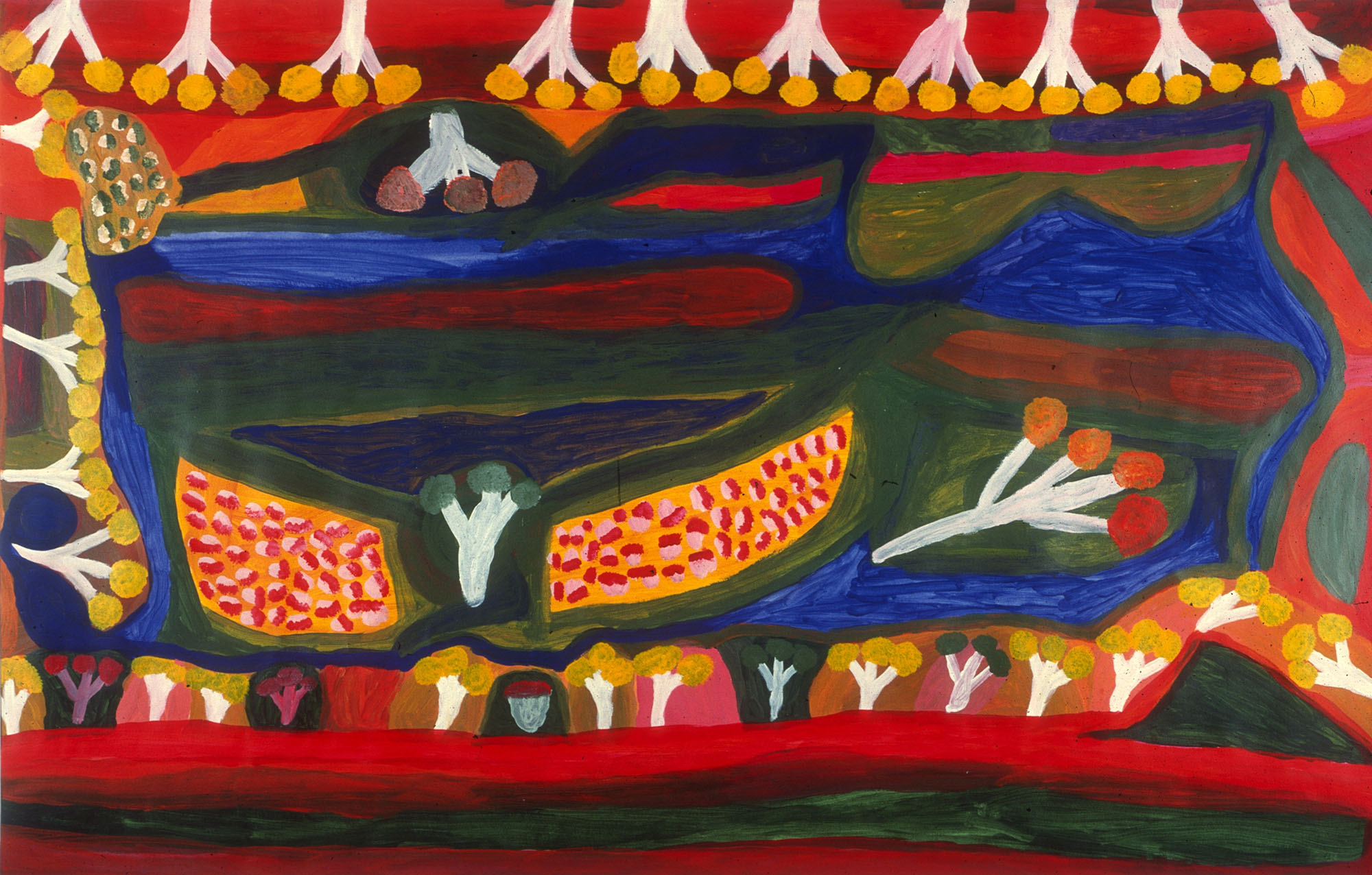
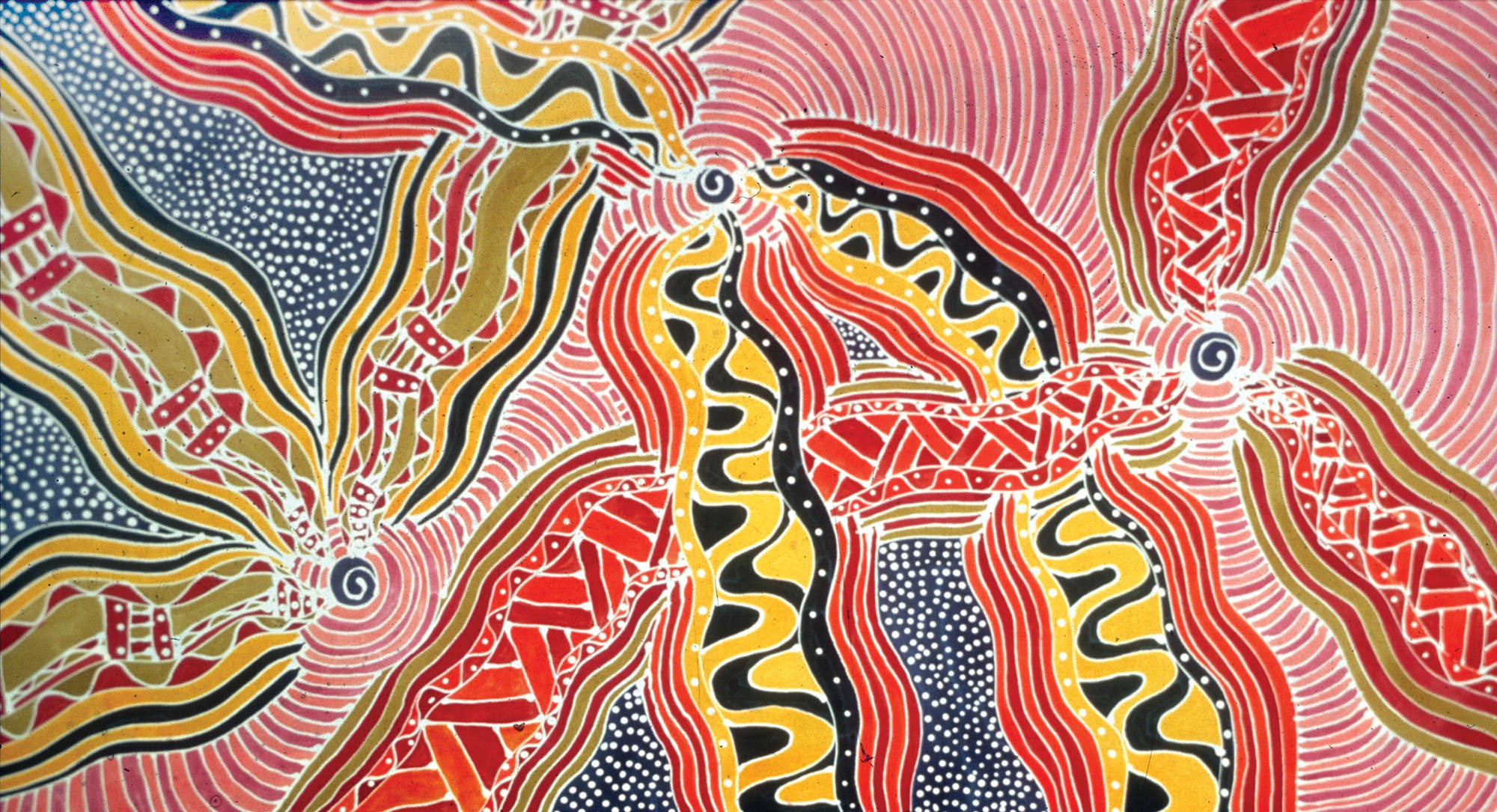
Living and Hunting Together by Melanie Robinson

Health Impacts

Alcohol, tobacco and illicit drug use contribute significantly to the burden of disease for Aboriginal and Torres Strait Islander people [44828]. They are among the top five risk factors contributing directly to chronic disease and mental health conditions such as anxiety and depression.

Drug use associated with unsafe injection practices can lead to the transmission of blood-borne viruses, such as hepatitis C, hepatitis B and HIV [36092], while methamphetamine use is a risk factor for the transmission of STIs (sexually transmitted infections).

Exposure to alcohol during pregnancy is a significant risk to the health of the baby and can cause neurodevelopmental disorders such as Fetal alcohol spectrum disorder (FASD) which may result in a range of learning and developmental difficulties for the individual as well as physical health effects [47948].

Smoking in pregnancy is also an important preventable risk factor for complications during pregnancy [43321]. Supporting women to stop smoking during pregnancy will reduce complications during pregnancy and improve health outcomes for babies.

The wide-ranging effects of alcohol and drug use on physical and mental health requires holistic responses that encompass culturally safe approaches to treatment and support as well as effective public health measures.


References

Key resources

calculating...
calculating...
calculating...
calculating...

Workforce information

calculating...
calculating...
calculating...
calculating...

Artwork

Feeding the Family Pets by Brian Robinson

Harm Reduction

Harm reduction is an approach that aims to reduce the risks that arise from alcohol and other drug use [33425]. The focus of harm reduction is on encouraging safer behaviours and settings, to prevent harms from alcohol and other drug use to the person, their family members and the broader community.

Some examples of harm reduction programs are [34324]:

  • clean needle and syringe programs to reduce the risk of spreading blood borne viruses
  • supervised injecting rooms
  • drug checking
  • mobile patrols to remove people from risky environments
  • overdose education programs
  • pharmacotherapies such as opioid substitution therapy or nicotine replacement therapy.

Harm reduction is one of three strategies (demand reduction, supply reduction and harm reduction) within the National Drug Strategy which is guided by an overall principle to minimise the harms from alcohol and other drug use [33425].

For information on preventing maternal smoking please see our Smoking and pregnancy portal. For information on regulation of tobacco please see the Regulation and control section in the Tobacco portal.

References

Key resources

calculating...
calculating...
calculating...
calculating...
calculating...

Workforce information

calculating...
calculating...
calculating...
calculating...

Artwork

Mina Mina Jukurrpa (Mina Mina Dreaming) by John Japangardi Lewis

Illicit Drugs – General

An illicit drug is one that is illegal to have (for example, methamphetamine, heroin, and cocaine), and the non-medical use of drugs that are legally available such as pain killers and sleeping pills [22491][33425].

What are the harms from using illicit drugs?

Using illicit drugs can lead to health problems including [22491][49345]:

  • risk of overdose
  • chronic disease (heart and liver problems)
  • blood-borne viruses (infections like hepatitis and HIV)
  • lower levels of social and emotional wellbeing (mental health problems)
  • increased risk of suicide.

The whole community can be affected by the negative impacts associated with illicit drug use such as; an increased risk of harm to children and families as well as violence, assault and crime [33425].

Australia has a harm minimisation approach to addressing harms from illicit drug use which includes [33425]:

  • demand reduction – preventing uptake of first use and supporting people to recover
  • supply reduction – controlling and reducing illicit drug availability
  • harm reduction – reducing risky behaviour and providing safer settings.

This approach requires a coordinated multi agency response across jurisdictions.

References

Key resources

calculating...
calculating...
calculating...
calculating...
calculating...

Workforce information

calculating...
calculating...
calculating...
calculating...

Artwork

Turtle Dreaming by Donna Rioli

Kava

Kava is a drug made from the roots of a type of pepper plant (called Piper methysticum) that grows in the Pacific Islands [36943]. The roots of the pepper plant are ground up or crushed and added to water and then drunk. The kava drink is traditionally used for cultural events in the Pacific Islands and drunk as part of a ceremony. Kava was introduced to the Aboriginal people in northern Australia as an alternative to alcohol in the 1980s.

The chemicals contained in kava, called kavalactones, are absorbed in the stomach and travel in the bloodstream to the brain [326]. The kavalactones have a painkilling, numbing effect which also relaxes the muscles, much like alcohol. The strength of the kava drink can vary greatly depending on the variety of plant used and how it is prepared [31403].

Some people who use kava regularly over a long period of time may experience health issues such as:

  • scaly skin rash
  • sore red eyes
  • loss of body fat (losing weight)
  • increased risk of infections.

Kava use affects liver function and there is a possibility that long term or high use of kava can lead to liver damage [31403][35590][36943]. However the evidence for kava being toxic to the liver is unclear. Using kava with other kinds of medicines, such as prescription drugs, or alcohol may lead to an increased risk of liver damage because it can change the way the liver processes these substances.

Kava has a complex regulatory history [36943]. It is not grown or produced in Australia, but can be imported as a food under a permit system.

When travelling to Australia, people over the age of 18 years are allowed to bring up to 4kg of kava powder in their accompanied luggage [34711]. Restrictions in the Northern Territory mean that kava cannot be brought into this jurisdiction.

References

Key resources

calculating...
calculating...
calculating...
calculating...

Artwork

Ngurlu Jukurrpa (Native Seed Dreaming) by Linny Nampijinpa Frank

Amphetamines and Cocaine

Amphetamines and cocaine are both stimulants [26504]. Stimulants are drugs that speed up the messages travelling between the brain and the body. They can increase energy and concentration and reduce hunger and the need to sleep [23510].

Crystal methamphetamine or ‘ice’ is the most common form of methamphetamine used in Australia [48572]. It is also the most potent and addictive stimulant, which is associated with long term negative effects on mental and physical health [37676]. The most common form of cocaine used in Australia is cocaine hydrochloride, a salt that comes from the coca plant [47961].

What are the effects of amphetamines and cocaine?

The more crystal methamphetamine or cocaine are used, the more likely a person will develop physical or mental health problems [23510].

Physical harms may include:

  • heart, lung and kidney problems
  • risk of stroke
  • fits (seizures)
  • risks of overdose and blood-borne viruses from injecting.

Psychological harms may include:

  • depression
  • anxiety and panic attacks
  • paranoia
  • psychosis
  • aggression [49463][49478].
How does it affect communities?

The regular use of amphetamines or cocaine can lead to social problems for the individual, as well as families and communities [23510]. These can include [49599][1]:

  • stigma or shame if loved ones are using drugs
  • relationships and family connections can break down
  • housing instability
  • problems with money and finances
  • community safety concerns because of increased crime, aggression or violence
  • increased contact with the criminal justice system.

References

Key resources

calculating...
calculating...
calculating...
calculating...

Workforce information

calculating...
calculating...
calculating...
calculating...

Artwork

Bush Potato Dreaming by Rene Dixon

Cannabis

The term cannabis refers to the plant Cannabis sativa L, and its products including dried leaf, bud matter and resin. It is known by different names such as gunja, yarndi, marijuana, pot and weed [43145]. Cannabis can be smoked or added to foods and eaten [49601].

Over the last two decades the strength of cannabis has increased with a corresponding increased risk to health [43145]. Young people are particularly vulnerable to mental health risks from cannabis use.

Short term effects of using cannabis

The short term effects of cannabis are different for everyone but can include [26504]:

  • feeling happy, talkative and less self-conscious
  • decreased nausea
  • feeling hungry
  • lack of coordination
  • feeling suspicious about other people (paranoia).
Long term harms of using cannabis

Harms to mental health include [43145][26504]:

  • increased risk of psychotic episodes
  • increased risk of anxiety and panic attacks
  • increased risk of depression
  • problems with memory and paying attention
  • not wanting to do things (lethargy)
  • increased risk of suicide.

Potential harms to physical health include:

  • damage to lungs
  • increased risk of cancer
  • damage to the heart.

Family and community life may be affected by increased fighting over cannabis supply, money problems due to buying cannabis and contact with the criminal justice system [43145].

References

Key resources

calculating...
calculating...
calculating...
calculating...

Artwork

Ngapa Jukurrpa (Water Dreaming) - Puyurru by Chantelle Nampijinpa Robertson

Opioids

Opioids are a group of natural and synthetic drugs that are made from the poppy plant (Papaver somniferum) or synthetic compounds with similar properties [26504][49604]. They can be legal medicines (pharmaceutical opioids) used for pain relief which are prescribed by a doctor (such as fentanyl and oxycodone), or illegal drugs, like heroin [26504]. Opioids are considered depressant drugs because they slow down the messages travelling between the brain and the body.

Repeated or continuous use of opioids for non-medical purposes can lead to dependence. Although the prevalence of opioid dependence in the community is low, the harms to health and social costs are significant [47514].

Some of the health harms from dependent opioid use include:

  • overdose
  • organ damage
  • risk of blood-borne viruses from injecting
  • infertility
  • dental problems (opioids dry up saliva)
  • depression [49605].

There are ways to reduce possible harms related to opioid dependence, such as [26504]:

  • avoid combining opioids with other depressant drugs like alcohol or benzodiazepines
  • using clean needles and other injecting equipment and not sharing with others
  • avoid injury by not driving or using machinery while intoxicated
  • seek treatment support from a doctor.

In addition to the health costs, the social and economic costs include:

  • disruption to family and community relationships
  • harms to the welfare of children
  • difficulty maintaining employment
  • issues with money
  • greater involvement of social services and law enforcement [47514].

References

Key resources

calculating...
calculating...
calculating...
calculating...

Artwork

Mina Mina Jukurrpa (Mina Mina Dreaming) by Sabrina Napangardi Granites

Tobacco

Tobacco comes from the dried leaves of the tobacco plant. It contains nicotine, a stimulant drug that speeds up messages travelling between the brain and the body. Nicotine is the drug in tobacco that causes addiction [31577].

As well as nicotine, there are more than 7000 chemicals in tobacco, and at least 250 are known to be harmful [31575]. Of these 250 harmful chemicals, at least 60 can cause cancer. These chemicals are the reason why people get sick and experience long term harms from smoking.

Smoking can contribute to a number of short and long term harms. Short terms harms include: increased heart beat; reduced appetite; stomach cramps and nausea; and loss of taste and smell. In the long term smoking can cause cancer and lung disease, among many other conditions [31577].

Tobacco and Aboriginal and Torres Strait Islander people

In recent years, about a third of the Aboriginal and Torres Strait Islander population aged 15 smoked daily [40728][39231]. Tobacco control efforts have seen a substantial drop in the number of Aboriginal and Torres Strait Islander people smoking, especially in the younger age groups. However the number of Aboriginal and Torres Strait Islander people smoking in rural and remote areas is a concern, as the proportion of people who currently smoke in remote areas remains high (up to 50%) [39231].

Smoking is the leading modifiable risk factor contributing to burden of disease for Aboriginal and Torres Strait Islander people [43959]. There are a number of reasons why smoking is so high in Aboriginal and Torres Strait Islander communities, including:

  • higher levels of stress
  • the normalisation of smoking in some communities (like flour and sugar, tobacco was given out as part of rations for labour)
  • experiences of grief, loss and trauma
  • social disadvantage such as poor housing or unemployment [29610][29689][34613].

For a summary of statistical information updated yearly on tobacco use and vaping among Aboriginal and Torres Strait Islander people, see also our latest Overview of Aboriginal and Torres Strait Islander health status.

References

Key resources

calculating...
calculating...
calculating...
calculating...
calculating...

Workforce information

calculating...
calculating...
calculating...
calculating...

Artwork

Panarringkarra by Jukuja Dolly Snell

Community Portal

The AOD Knowledge Centre Community Portal is for Elders and community members who may be concerned about alcohol and drug use in their community. Family, friends and Elders may be worried about someone’s drug use, looking for support and want to find out more on how others are taking action in their communities.

Find information on useful resources, community-based organisations, programs to support people, funding opportunities and training for community members who want to learn new skills.

Featured resource

This toolkit developed by the Strong Mind Strong Spirit campaign provides a collection of resources which highlight the importance of maintaining connection to Country and Culture for young Aboriginal people in WA aged 12-25 years. The posters, videos and radio messages can be chosen to promote social and emotional wellbeing for young people according to what suits the community.

Strong Mind resources

Key resources

calculating...
calculating...
calculating...

Workforce information

calculating...
calculating...
calculating...

Artwork

Families coming together by Melanie Robinson

Workforce Development

Workforce development in the alcohol and other drugs (AOD) sector aims to build the capacity of organisations and individuals to prevent and respond to harms from AOD use and promote evidence-based practice. It adopts a systems approach that goes beyond the provision of education and training to include issues such as recruitment and retention, workforce planning, professional and career development, and worker wellbeing [33154].

A number of challenges have been identified that impact on the capacity of the AOD workforce to effectively respond to harms from AOD use in Aboriginal and Torres Strait Islander communities. These include; difficulties recruiting staff in regional and remote areas, high demands placed on staff in communities, and tension between Western models of care and culturally secure service provision [47503][47167].

The need for Aboriginal and Torres Strait Islander leadership and voices at all levels of planning and service delivery has been identified as a key strategy to strengthen the AOD workforce [47167].

Other recommendations are:

  • having flexible recruitment strategies that enable Aboriginal and Torres Strait Islander people with diverse experiences and valuable cultural knowledge to contribute their skills to the AOD sector
  • supporting career pathways for Aboriginal and Torres Strait Islander AOD workers
  • providing a whole-of-organisation approach to cultural safety in mainstream health services
  • building partnerships between mainstream AOD services and Aboriginal community controlled organisations.

Embedding culturally safe AOD training for workers across health systems also helps remove the stigma from AOD care and addresses potential harms from AOD use as part of routine healthcare [49619].

References

Key resources

calculating...
calculating...
calculating...
calculating...
calculating...

Workforce information

calculating...
calculating...
calculating...
calculating...

Like to see more?

The funds provided by the Australian Department of Health and Aged Care enable good coverage of many areas, particularly those within the direct responsibility of the health system. However there are other health topics which require additional funding.

We seek your assistance to fund this topic to support us in helping to improve health outcomes for Aboriginal and Torres Strait Islander people.

Artwork

Ngurlu Jukurrpa (Native Seed Dreaming) by Glenys Napanangka Brown

Volatile Substance Use

Volatile substance use (VSU) is the intentional breathing in of chemical substances by a person to feel drunk, buzzing or excited [23513]. Because the chemical substance is breathed in (or inhaled), these substances are also known as ‘inhalants’. Other terms include ‘sniffing’, ‘chroming’, and ‘huffing’. Every-day products used for sniffing include:

  • deodorant
  • air freshener
  • lighter fluid
  • fly spray
  • petrol [23513].

As volatile substances are typically first used at a young age, the health effects of sniffing have implications for the developing brain and long term health of young people [38141][32216]. Exposure to toluene through sniffing volatile substances has been shown to be associated with impaired growth for both height and weight and a ‘failure to thrive’ in adolescents [32216]. Excessive harmful inhalant use has also been shown to lead to permanent acquired brain injury [32216][29075][24947].

Sniffing volatile substances, particularly butane, propane and aerosols, can cause sudden death [20888][30967]. Sudden sniffing death can happen from accidental poisoning, suffocation or being involved in an accident while intoxicated [46980]. Sudden death can also happen when a person who has been sniffing does some exercise, or is stressed or scared (because this puts extra pressure on their heart).

The short-term effects from sniffing inhalants include:

  • tiredness
  • feeling nauseous (sick)
  • irregular heart beat (arrythmia)
  • memory loss (forgetful)
  • loss of consciousness
  • feelings of wellbeing.

Long term harms that can come from sniffing inhalants include:

  • brain damage
  • loss of hearing, vision or sense of smell
  • damage to the liver, kidneys and heart
  • damage to respiratory system
  • muscle weakness
  • developmental harm during pregnancy
  • increased risk of infections due to poor immunity
  • depression [23505][41612].

References

Key resources

calculating...
calculating...
calculating...
calculating...
calculating...

Workforce information

calculating...
calculating...
calculating...
calculating...

Artwork

Rain Meets Creek, Creek Meets River, River Meets Sea by William Miller

Prescription Drugs

Some of the most commonly used prescription drugs for non-medical purposes are opioids (such as codeine and oxycodone) and benzodiazepines (such as diazepam)[48572]. Prescription opioids are prescribed for pain relief after surgery or for pain caused by a life-limiting illness such as cancer, while benzodiazepines are usually prescribed for short-term use to help people with anxiety or sleep difficulties [53033][53034].

Longer term use of some prescription drugs for non-medical purposes can lead to physical and psychological dependence (addiction) and other harms, including unintentional overdose. Aboriginal and Torres Strait Islander people are more at risk of unintentional overdose [53033][51633]. While opioids and benzodiazepines are the most common prescription drugs associated with unintentional overdose, other prescription drugs such as antidepressants and antipsychotics also contribute.

Health workers and pharmacists are an important source of information on safe use of prescription medicines. Creating a culturally safe environment and working in partnership with Aboriginal and Torres Strait Islander communities and health services, can support the safe use of prescription medicines more effectively [45688].

For information on treatment options for opioid dependence and other drugs see also the section on Pharmacotherapies in the Harm Reduction Portal.

References

Key resources

calculating...
calculating...
calculating...
calculating...

Workforce information

calculating...
calculating...
calculating...
calculating...

Artwork

Water Dreaming by Shanna Napanangka Williams

Alcohol

Alcohol is a drink made from the fermentation of grains (beer), vegetables (vodka) and fruits (wine) [39259]. The ingredient of ethanol (ethyl alcohol) contained in alcohol is the active ingredient that causes people to feel drunk when alcohol is consumed [34322]. Alcohol acts as a depressant on the central nervous system, slowing down the messages between the brain and the body [23503].

What are the harms to health from alcohol use?

In small amounts, drinking alcohol can make a person feel relaxed and sociable [34322]. Larger amounts of alcohol affect muscle control, balance and decision making. People drinking large amounts of alcohol are more likely to have accidents or falls, get into fights or do things they regret [23503].

Over time, regular alcohol use contributes to the risk of serious health problems such as:

  • cancer of the mouth, throat and oesophagus
  • cardiovascular disease (stroke and heart failure)
  • liver disease (such as cirrhosis)
  • cognitive decline and dementia
  • mental health conditions such as anxiety and depression
  • increased problems with diabetes [48135][34320].

Drinking alcohol while pregnant can also harm the unborn baby [31432]. If a woman drinks while pregnant she risks having a baby with Fetal alcohol spectrum disorder (FASD). For more information, please refer to the FASD section in the Health Impacts portal.

References

Key resources

calculating...
calculating...
calculating...
calculating...
calculating...

Workforce information

calculating...
calculating...
calculating...
calculating...

Artwork

Ngapa Jukurrpa (Water Dreaming) - Pirlinyarnu by Juliette Nampijinpa Brown

Acknowledgement
Aboriginal and Torres Strait Islander people should be aware that this website may contain images, voices and names of people who have passed away.
We respect your privacy. Your information is safe and will never be shared.
Don't miss out. Subscribe today.
×
×